
Why Do We Read Dead People?
On fiction writers, language, and the invisible architecture of human consciousness.

I never liked school.
I didn’t understand the point of waking up early every morning and going to a place where adults judged children based on how well they understood other adults’ explanations. Most of the process felt arbitrary to me. The bells, the grades, the routines, the endless repetition of information that seemed disconnected from real life.
But more than anything, school distracted me from reading.
Books were the universe I actually lived in. While other children were waiting for the final bell, I was waiting to return to the novel hidden in my backpack. The family library became a second home. I read indiscriminately and without a system. Classics stood beside adventure stories. Philosophy shared shelves with romances. Every book felt like a door, and there were far more doors than I could ever open.
One day during English literature class, the routine was unfolding as usual. Then the teacher asked who had read Ivanhoe by Walter Scott.
I raised my hand.
A strange silence filled the room. Everyone turned around and looked at me.
The book was mandatory reading, and apparently, I was the only student in the group who had actually read it.
I remember feeling embarrassed rather than proud. I hadn’t read it because it was assigned. I had read it because it was there.
The teacher looked at me and said something I have remembered for years:
“You’re the nation’s treasure.”
At the time, the comment felt exaggerated, and I felt grateful my classmates didn’t hate me for it.
Many years later, after a full day of work, trying to read and write late at night when I am not too exhausted, I find it increasingly difficult to believe those words.
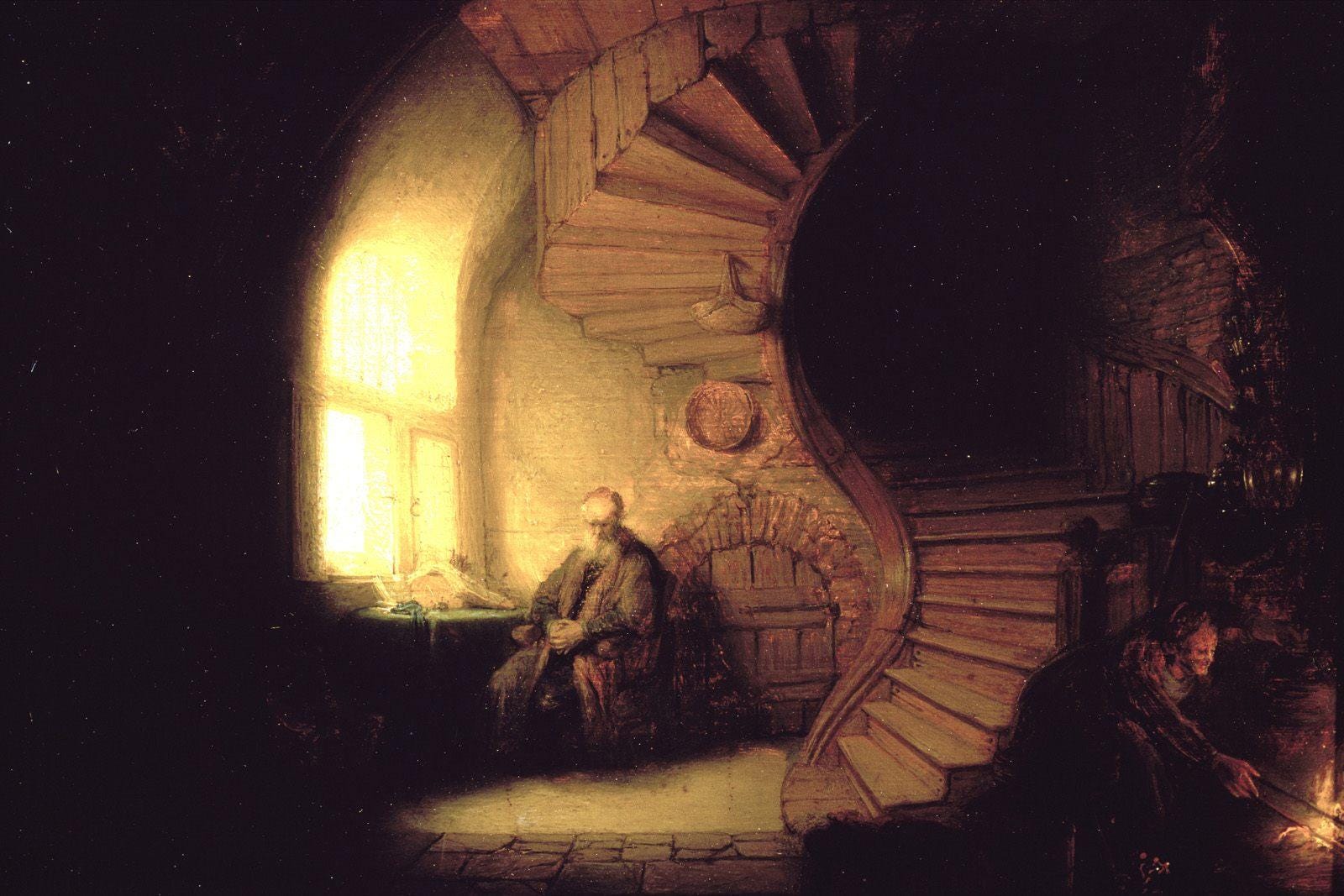
One of the strangest contradictions of modern life is that we spend twelve years convincing children that literature matters and the rest of our lives acting as if it doesn’t.
We tell students that novels are important. We design entire educational systems around them. We write essays about them, analyze them, and test children on them.
Then adulthood arrives.
Suddenly, literature becomes optional. A luxury. A hobby. Something to consume if there is time left after work, emails, errands, meetings, and scrolling.
At some point, we collectively decided that literature belongs to childhood.
I am not sure we ever stopped to ask why.
The more I think about it, the more convinced I become that we have forgotten the role fiction writers play in society.
We increasingly treat literature as entertainment.
But for most of human history, literature was something much larger than that. It was one of the primary ways civilizations preserved emotional knowledge.
Leo Tolstoy wrote that the purpose of art is to transmit feelings from one person to another. At first glance, the idea sounds simple. But if we take it seriously, literature becomes one of humanity’s most remarkable inventions.
A human life is short.
Painfully short.
I can live only one life. I can occupy only one body. I can experience only one sequence of events.
Yet through literature, I can borrow thousands of others.
I can witness nineteenth-century Russia through Tolstoy. I can descend into the moral labyrinths of Dostoevsky. I can see the world through the eyes of people separated from me by centuries, continents, religions, classes, and circumstances.
No other medium has preserved human experience across generations with such depth.
Literature may be the closest thing we have to a shared emotional memory. It preserves not only what people knew, but also how they experienced being alive.
When I read a great novel, I am often struck by how little the fundamental questions have changed.
People worried about status long before LinkedIn. They struggled with loneliness long before social media. They searched for meaning long before self-help books.
The technologies change. The vocabulary changes. The circumstances change.
Yet the essential questions remain remarkably familiar.
How should I live?
What is worth sacrificing for?
What does it mean to love another person?
How do I survive loss?
Why am I here?
Literature does not answer these questions once and for all.
It simply reminds us that we are not the first people to ask them.
In that sense, every great novel is an invitation into a conversation that began long before we arrived and will continue long after we are gone.
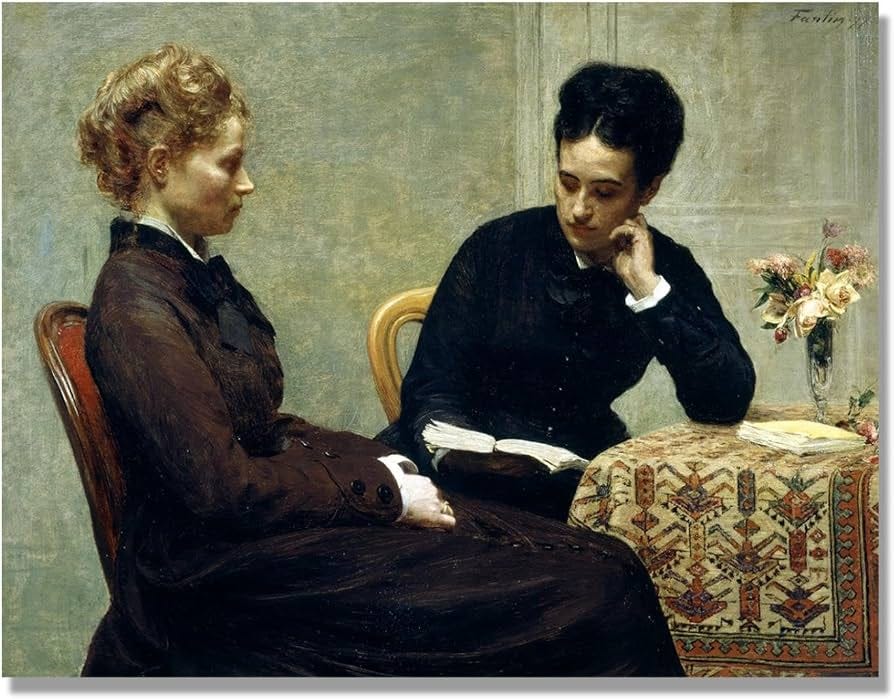
Yet literature does more than connect us to previous generations.
It changes the quality of attention we bring to our own lives.
People often speak about reading as if it were a passive activity. In reality, reading great literature is one of the most active mental exercises available to us.
A complex novel does not simply tell us what happens. It asks us to interpret motives, resolve contradictions, recognize symbols, anticipate consequences, and constantly revise our judgments.
We become participants rather than spectators.
In a strange way, readers become co-authors of meaning.
This is one reason great novels remain alive long after their publication. Different readers discover different truths inside the same pages. A book that feels ordinary at twenty may feel devastating at forty. The text remains the same, but the person reading it does not.
George Eliot understood this better than most writers. Her novels were never really about events. They were about consciousness itself—the hidden motives, misunderstandings, ambitions, disappointments, and self-deceptions beneath ordinary life.
She understood that people rarely know themselves as well as they imagine.
Every great novel is a mirror disguised as a window.
We begin reading because we want to understand someone else. Somewhere along the way, we discover that we have been studying ourselves. Perhaps this explains why certain books arrive at exactly the right moment in our lives.
They do not necessarily give us new experiences. More often, they give us a language for experiences we have already had.
A character’s mistake suddenly looks familiar. A conflict feels uncomfortably personal. A passage illuminates something we have felt for years but never managed to articulate. Someone who died a century ago appears to understand us.
Not because they knew us.
Because they knew people.
And literature gives us the rare opportunity to observe ourselves from a distance.
To notice our contradictions.
To recognize our patterns.
To become slightly less mysterious to ourselves.
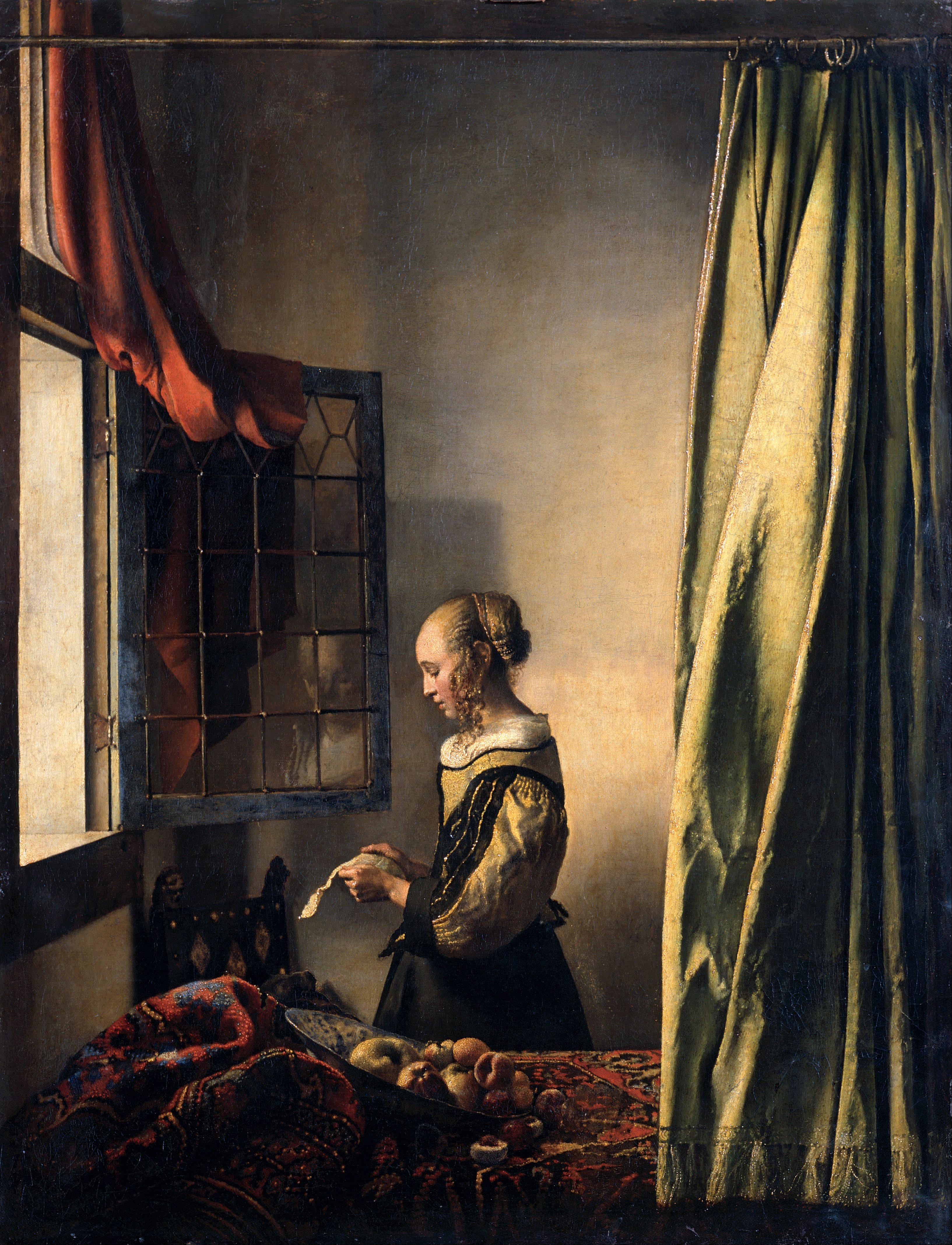
Literature preserves human experience across time.
It deepens our understanding of ourselves.
But its third contribution may be the most overlooked of all.
Literature expands language.
And language expands reality.
I recently came across an article discussing Shakespeare’s contribution to the English language. Hundreds of words and expressions entered common usage because one writer was attempting to describe human experience with greater precision.
After reading it, I found myself wondering something I could not answer.
Who was the last writer who significantly expanded our language?
Not our technical vocabulary. Not the language of software, startups, algorithms, platforms, and artificial intelligence.
The language we use to understand ourselves.
The answer did not come easily.
Meanwhile, technology introduces new words every year. Entire industries emerge and bring their own vocabulary with them. We have developed increasingly sophisticated ways to describe machines, systems, and digital environments.
There is nothing inherently wrong with that.
Yet I find it fascinating that our vocabulary for technology continues to expand while our vocabulary for inner life often feels neglected.
The philosopher Ludwig Wittgenstein famously wrote that the limits of my language mean the limits of my world.
Most people interpret this as a statement about communication.
I increasingly suspect it is also a statement about perception.
We struggle to examine experiences for which we lack language. We can feel them, but we cannot quite hold them in front of ourselves and look at them directly. They remain vague, unfinished, and difficult to understand.
Before an experience enters language, it often exists only as a feeling.
Someone must find the words.
For centuries, this has been one of the writer’s most important responsibilities. Not merely telling stories. Finding distinctions. Naming realities. Articulating subtle states of being. Giving shape to experiences that people recognize immediately once they encounter them on the page.
Many of the most important contributions of literature are almost invisible.
A new invention is easy to notice.
A new building is easy to notice.
A new technology is easy to notice.
A new way of understanding loneliness is not.
A new distinction between desire and love, admiration and envy, freedom and isolation is not.
Yet these things alter the landscape of human experience just as profoundly. Perhaps even more so.
This is one reason I continue returning to writers such as Tolstoy and Dostoevsky. Not because they entertain me. Though they certainly do.
I return because they help me perceive more.
They notice things I might have overlooked. They distinguish between emotions I might otherwise lump together. They reveal motives hidden beneath motives. They bring clarity to parts of human experience that often resist explanation.
Reading them feels less like consuming a story and more like acquiring additional ways of seeing.
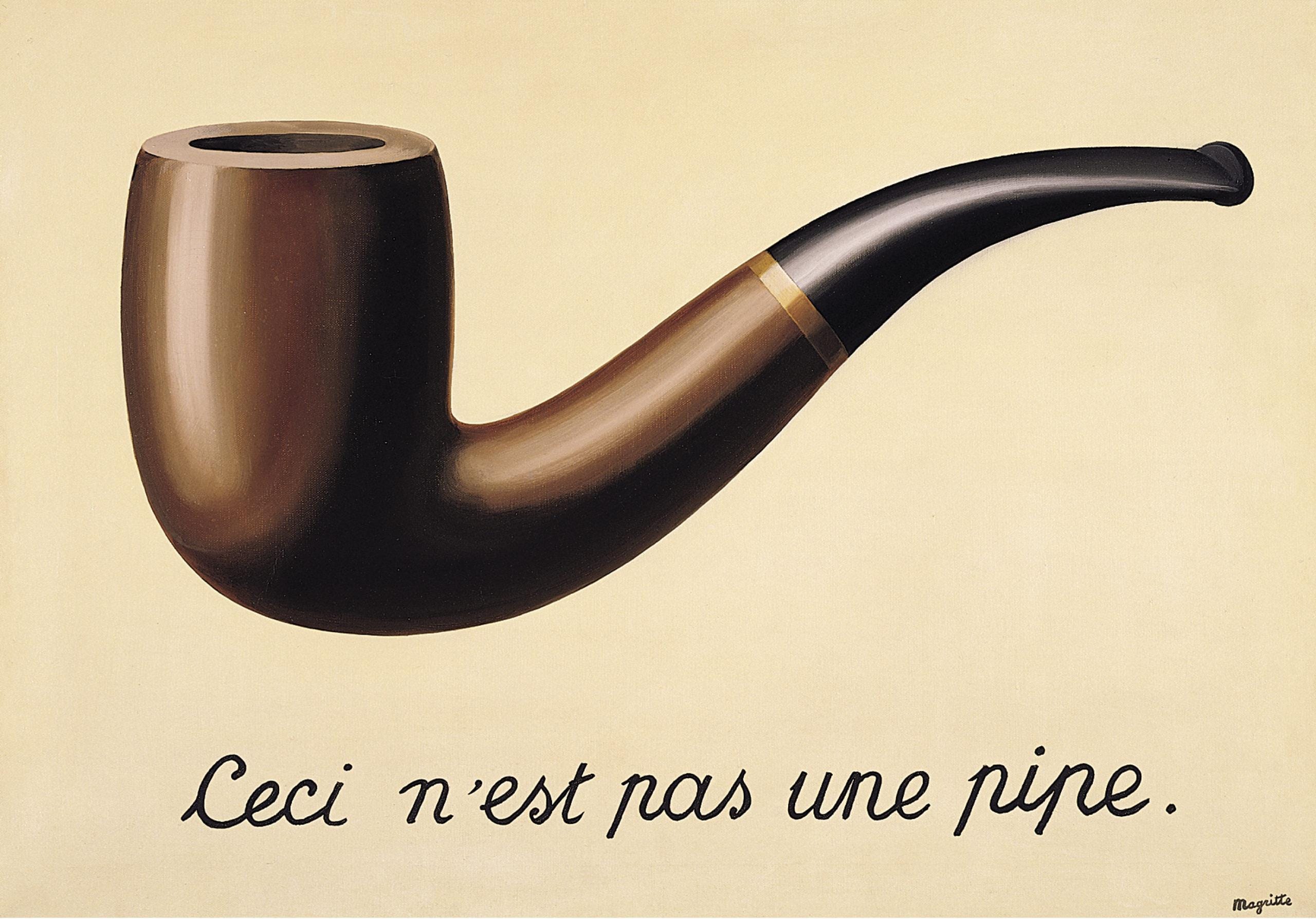
And when language becomes narrower, something else seems to narrow with it. Certain distinctions disappear. Complex experiences become harder to articulate. Nuance gradually gives way to categories. Labels begin replacing descriptions. Ready-made opinions begin replacing observations.
George Orwell worried deeply about this tendency.
His concern was never simply political.
It was linguistic.
He understood that language is not merely a tool we use to describe reality. It also shapes the way reality appears to us. When language loses precision, thought often loses precision alongside it.
A society does not become less thoughtful overnight. The process is slower than that. The vocabulary contracts. Certain distinctions disappear. Some experiences become harder to discuss while others become impossible to express at all.
Eventually, people stop noticing what they can no longer name.
Perhaps this is why I keep returning to literature after all these years. Not because novels help me escape reality. Quite the opposite. They help me notice more of it.
They make certain feelings easier to recognize. Certain questions easier to ask. Certain experiences easier to understand.
Maybe that is what writers have always done.
They help us see what was already there.
Long before societies know what they feel, writers often do.
And long after societies disappear, it is often the writers who remain, quietly teaching future generations how to see.
And somewhere, I still like to imagine a child sitting in the back of a classroom with a novel hidden beneath the desk, waiting for the school day to end.
Thank you for highlighting this and remind us of the inner joy to reflect on our life purpose through reading novels
Truly a heart warming ode to novel and writers! Atleast this is what it felt like!